Service Dog FAQs
Service dogs: your questions, answered
Canines 4 Hope can train a Service Dog to meet a client's exacting needs. We will be glad to answer any questions you might have.
Cost
What it costs, and what that depends on
Both answers come down to the same thing: cost varies with the client, the service desired, the location, and how soon it is required.
Training costs vary based on each individual client's actual needs and condition.
The cost will vary upon service desired, location and how soon services are required.
No Long Waiting Lists!
Canines 4 Hope offers pre-trained service dogs, alert dogs and assistance dogs that can be tailor trained to your specific needs in 3 to 6 months.
There are not-for-profit services and assistance dog training programs available, but most of these wonderful organizations have a waiting list for up to 3 years.
Choosing the dog
Which dog does the work
Some clients start with a dog we help them find. Others start with the dog already lying at their feet.
There are several breeds of dogs that can assist you in a variety of ways. Our experienced staff will be able to advise you to find a dog that best suits your particular needs.
Your dog would have to be evaluated to make sure your dog is able to be trained and perform the tasks you require.

Alerting and response
Seizures and blood sugar
Seizure work and blood sugar alerting, answered directly.
Service Dogs can be trained for seizure response. The bonding experience between the service dog and companion will determine how the service dog responds to a potential seizure and how the dog will alert the companion.
Yes, we train “hypo alert dogs”, also known as Diabetic Service Dogs, to help diabetics: to warn if your blood sugar is too high or too low, alert you, retrieve medication and help if needed.
Access and travel
Where a trained service dog can go
A properly trained service dog accompanies its companion. Here is where that applies.
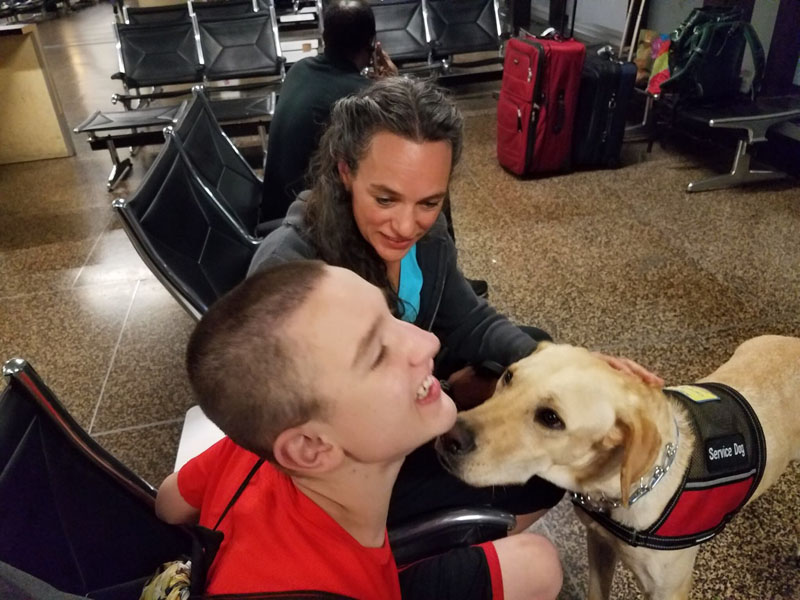
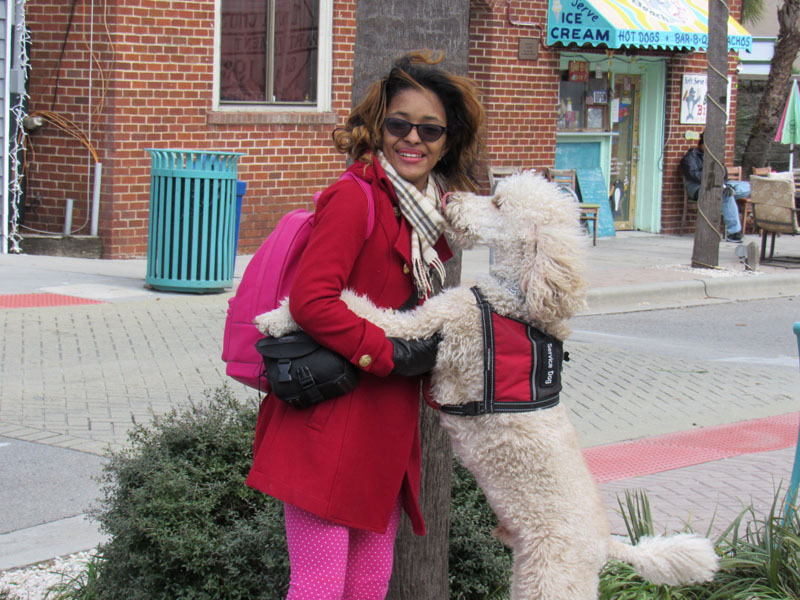
The American Disabilities Act states that a trained service dog can go anywhere with its companion. That includes movie theaters, restaurants, buses, airplanes, school and work.
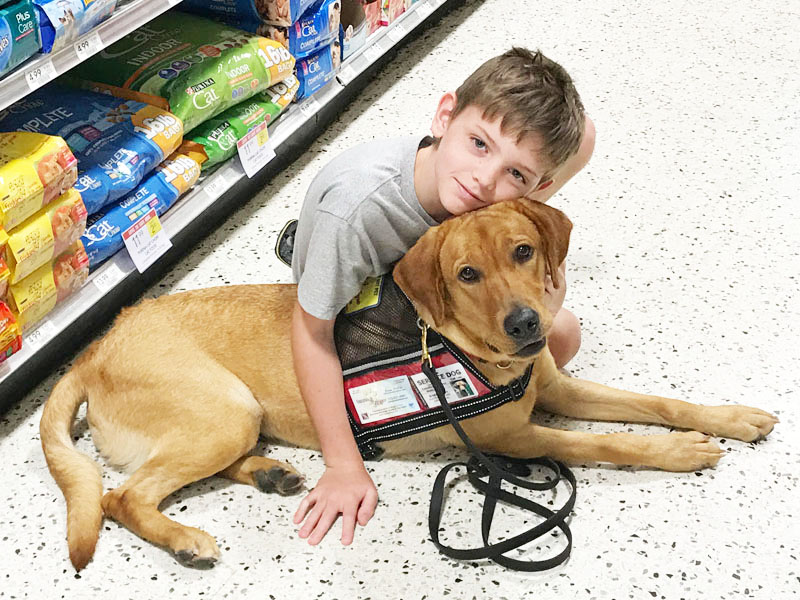
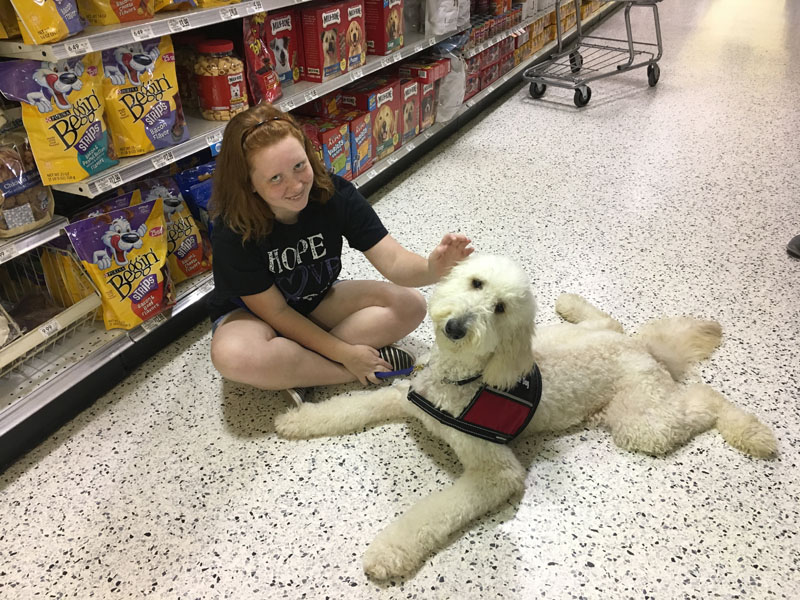
Yes, trained Service Dogs are allowed in hospitals. As a matter of fact, a properly trained service dog can accompany their owners anywhere: airplanes, restaurants, supermarket and more.
A trained service dog can go anywhere with its companion.
As stated in the American Disabilities Act
Places these answers name
- Movie theaters
- Restaurants
- Buses
- Airplanes
- School
- Work
- Supermarkets
- Hospitals, even by your bedside
One condition runs through all of it: the dog must be a properly trained service dog. Therapy dogs are not considered service dogs and do not have the legal access rights that service dogs have.

Therapy dogs
A different job, and different rules
Canines 4 Hope trains therapy dogs as well as service dogs. The two are not the same thing, and the difference matters before you plan around it.
Yes, we train therapy dogs that are great companions and allowed to go in nursing homes, hospitals, special needs centers, and schools.
Therapy dogs are not service dogs
Therapy dogs are not considered service dogs and do not have the legal access rights that service dogs have.
Still have questions
We will be glad to answer any questions you might have
Canines 4 Hope is located in Palm City, Palm Beach County, and the Treasure Coast of Florida, but our dog training services are available to clients in any state.
There is hope!
Canines 4 Hope can train a Service Dog to meet a client's exacting needs. Call and talk it through, or send a message and a trainer will follow up.
Hope Is Only A Phone Call Away